



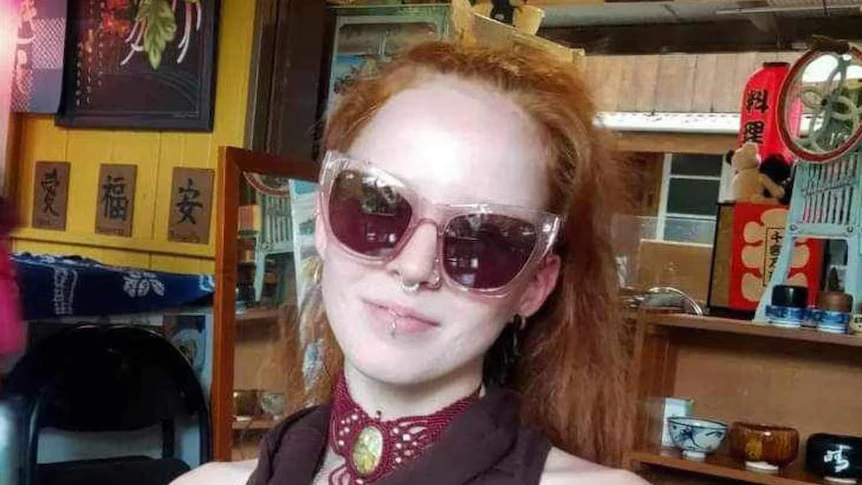
In Australia, some stories make people stop and listen—not because they are sensational, but because they feel deeply unfair. Isla Bell’s story is one of them. Isla Bell was a 19-year-old woman from Melbourne who was reported missing in October 2024. Weeks later, she was found dead. The news caused widespread grief across Victoria and the whole country. This article explains who Isla Bell was, what happened and why her story became part of a bigger conversation in Australia.
Who was Isla Bell?
Isla Jane Bell was a young woman from Melbourne, Victoria. She was 19 years old. Isla was not a celebrity or influencer. She was simply a young Australian loved by her family, friends and community. Her family and those who knew her described her as someone who cared about others and had a strong connection to nature and community. After her death, many people shared messages and tributes online. These tributes helped Australians to understand that Isla was more than a headline; she was a real person who was loved deeply.
What happened to Isla Bell?
After many weeks of searching, Isla Bell was found deceased. Her remains were located at a waste facility in Melbourne. This detail was widely reported in Australian news and made the case even more upsetting for many people. Because of the condition in which Isla was found, forensic experts later explained that it was difficult to confirm the exact cause of death. This became part of later court reporting and showed how complex and painful these investigations can be.
Why Isla Bell’s case received so much attention
Many missing person cases are reported, but Isla Bell’s case gained strong national attention. There are a few reasons why:
She was only 19
When someone so young dies, it hits Australians hard. At 19, many people are starting university, working their first jobs, travelling and planning their future.
People related to her story
Many young women in Australia understood the fear around going missing. Many families also understood the panic of not knowing where a loved one is.
It is connected to a bigger national problem
Sadly, Australia has had many public conversations about violence against women. Isla’s story became part of this larger discussion.
How Australians reacted to Isla Bell’s story
When Isla went missing and was later found deceased, the public reaction was was immediate and emotional. People across Melbourne and around Australia responded with sadness, anger, grief and frustration. Many Australians said they felt sick of hearing about young women being harmed. Women also shared how tired they were of having to think about safety all the time. This case pushed people to talk openly again about what needs to change.
Isla Bell’s legacy and public advocacy
After Isla’s death, public pages and community projects were created to remember her and support change. This included the Isla Bell Fund and community-based legacy efforts. These types of initiatives often have a simple goal: to make sure the person is remembered and that their story leads to action, not silence. For many families, these projects are a way of turning pain into purpose. They also help keep the conversation going in the long term.
Why is women’s safety a major issue in Australia?
Isla Bell’s case is not only about one person, but it also connects to a wider issue. Across Australia, women deal with safety concerns every day. These concerns are not just in big cities. They are everywhere in suburbs, rural towns, beaches, car parks, nightlife areas and public transport routes.
Many women in Australia routinely:
- Share their location with friends when travelling
- Message someone when they get home safely
- Avoid walking alone at night
- Hold keys in their hand as a safety habit
- Stay alert even when they should feel relaxed
These habits are common because many women do not feel fully safe. Cases like Isla’s bring these fears into the spotlight again.
What needs to change in Australia?
There is no single solution, but Australians frequently point to several important areas of improvement:
Better education
Stronger education on respect, consent, boundaries and healthy relationships is widely supported. This learning should start early and continue across schools and communities.
Earlier help and stronger support
There is a growing focus in Australia on:
- Early intervention
- Improving support services
- Helping people escape unsafe situations
Cultural change
Long-term change requires shifts in attitudes, gender equality and how violence is discussed. It also involves improving how society responds when women raise concerns.
Stronger accountability
Australians also want stronger systems that hold offenders responsible and prevent harm before it happens.
How to speak about Isla Bell respectfully
When discussing Isla Bell in a blog article, social media post or news update, it is important to speak with care and respect. Isla’s identity should never be reduced to a single headline or treated as a case study; she was a genuine person with a meaningful life, relationships and goals. Any discussion about her story should focus on prevention and social accountability, rather than insinuating that women should have taken different measures.
The emphasis should be on society’s, institutions’ and communities’ responsibility to protect women. It is also critical to use credible and precise sources when conveying information. Using verified sources such as ABC News and official government updates helps ensure the information is conveyed ethically and responsibly.
Conclusion
Isla Bell’s story is heartbreaking and it matters. It matters because she was loved. It matters because she deserved a future. And it matters because Australia must keep pushing for a society where women can live without fear, being part of daily life. If there is one thing Australians have consistently shown after tragedies like this, it’s that we can turn grief into community, and community into action. Isla’s name has become part of that effort, not for attention, but for change.