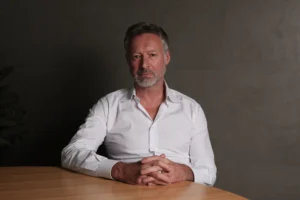



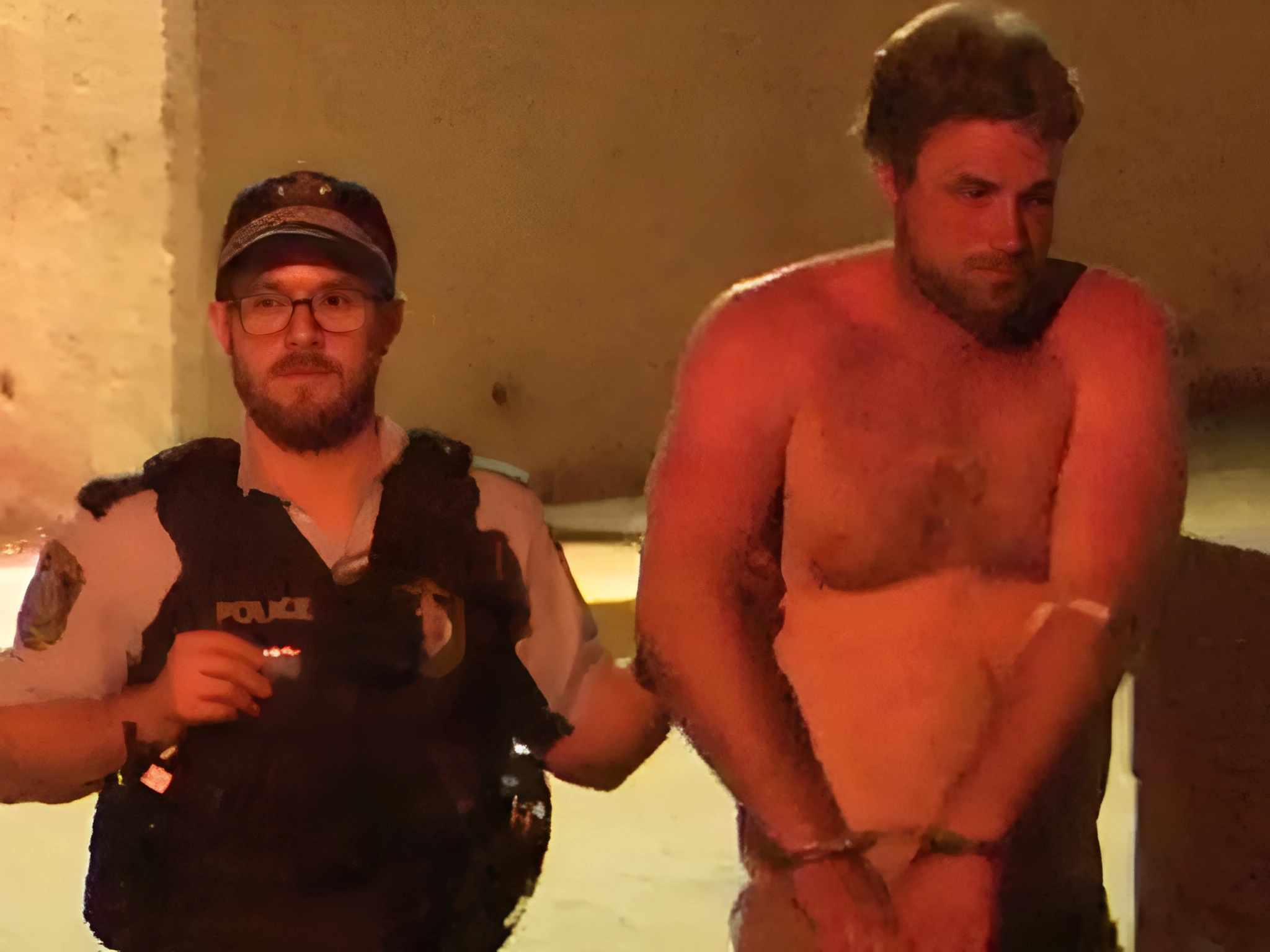
Samuel Davidson’s name has become part of Australia’s modern history, forever linked to a tragedy that reshaped national conversations about drink- and drug-driving, the justice system, and the meaning of forgiveness. His actions on a summer night in Sydney ended in the deaths of four children forever changing the lives of many families.
This article provides a clear, factual and comprehensive overview of the case, its legal implications and its long-lasting impact on Australian life.
Who is Samuel Davidson?
Samuel Davidson is an Australian man who was involved in a fatal motor vehicle incident in New South Wales in February 2020. Prior to the crash, he was not a public personality and had no obvious public presence. After driving under the influence and colliding with a group of children walking on a suburban walkway, his name became well-known.
Davidson was 29 years old at the time of the crash. His case drew national attention due to the awful combination of young lives lost, the driver’s extreme impairment and the great collective grief that swept across Australia.
What happened on the night of the crash?
On 1 February 2020, Davidson was driving a utility vehicle in the Sydney suburb of Oatlands. He had drunk heavily and used illegal substances earlier in the day. Subsequent evidence revealed that his blood alcohol level was much higher than the legal limit and he was impaired by a mixture of drugs.
As Davidson drove down a residential street, he lost control of the vehicle. The ute mounted the kerb and collided with seven children who were strolling together to acquire ice cream. The entire situation happened in an instant, giving the children no opportunity to escape.
The children who lost their lives
The tragedy claimed the lives of four children, all under the age of fourteen. These were siblings and cousins who were loved by their families and well-known in their community.
- Antony Abdallah, aged 13
- Angelina Abdallah, aged 12
- Sienna Abdallah, aged 8
- Veronique Sakr, aged 11
Three additional youngsters suffered significant injuries. One child suffered irreparable brain damage that required ongoing care for the remainder of their life. The emotional and psychological impact spread beyond the immediate family affecting neighbours first responders and individuals all around Australia.
Legal actions and guilty pleas ensued
Following his arrest, Davidson faced several serious allegations. These included four counts of manslaughter as well as charges for causing grievous bodily harm while driving.
In October 2020, Davidson filed a formal guilty plea. This act acknowledged his guilt but it could not undo the harm done. The case later moved to the sentencing phase in the New South Wales District Court.
Sentencing and imprisonment
In April 2021, Davidson received a prison term of 28 years, with a non-parole period set at 21 years. The presiding judge described his acts as extremely dangerous emphasising his complete disregard for the safety of others while driving under the influence.
The sentence was intended to serve as both a punishment and a deterrence sending a clear message to Australians about the consequences of drunk and drugged driving.
Appeal and Sentence Reduction
Davidson later appealed the severity of his sentence. In July 2022, the New South Wales Court of Criminal Appeal revised the sentence, reducing it to 20 years with a minimum non-parole period of 15 years.
An additional appeal to the High Court of Australia was dismissed, leaving the revised sentence in place. As a result, the reduced sentence remains in place, and Davidson will spend many years in prison.
The response of the victims’ families
One of the most remarkable aspects of this case was the response of the families who lost their children. Rather than expressing hatred or seeking revenge, they publicly chose forgiveness only days after the tragedy.
Danny Abdallah, the father of three of the children who died, became a national voice for compassion resilience and healing. He and his wife spoke openly about their mourning experiences, the power of forgiveness and the need to put love first before bitterness.
The i4Give Foundation
From immense sorrow emerged something positive. The families involved helped establish the i4Give Foundation, an Australian organisation dedicated to promoting forgiveness, healing and hope in the aftermath of suffering.
The charity organises community activities and educational projects to encourage people to respond to suffering with empathy not anger. Its activities have reached schools, workplaces and faith organisations across Australia offering assistance to individuals experiencing sorrow or conflict.
Restorative Justice and Public Reflection
Several years after the accident, Davidson participated in a restorative justice process while incarcerated. This entailed a direct meeting with Danny Abdallah which was later broadcast on television.
The conference was not intended to absolve anyone or reduce guilt. Instead, it focused on accountability acknowledgment of harm and personal reflection. For many Australians, this moment highlighted the complexities of justice and the significance of forgiveness.
Changes in road safety laws in Australia
The Oatlands tragedy also influenced public policy. In response to the case, New South Wales introduced tougher penalties for drivers found to be impaired by both alcohol and drugs. These reforms often referred to as the “Four Angels” laws were introduced to honour the children who lost their lives.
The changes aim to reduce repeat offences and reinforce the seriousness of impaired driving across Australia.
Why the Samuel Davidson case still matters
The Samuel Davidson case continues to be important for various reasons:
- A single action can have a disastrous impact on countless lives.
- Drink- and drug-driving continues to be a major national issue.
- Justice involves accountability as well as prevention.
- Punishment and healing can exist at the same time.
For Australians, this case serves as a sharp reminder of the personal responsibility that comes with driving and the long-term consequences of risky behaviour.
Conclusion
Samuel Davidson’s decisions on 1 February 2020 resulted in irrevocable damage and unimaginable pain. Four children died families were broken and Australia was forced to confront the grim reality of drunk driving on a very personal level.
As Davidson serves his sentence the legacy of the tragedy continues through legal reforms community initiatives and a powerful message about forgiveness. For many Australians, this case stands not only as a warning but also as a rare example of empathy emerging from profound loss.