



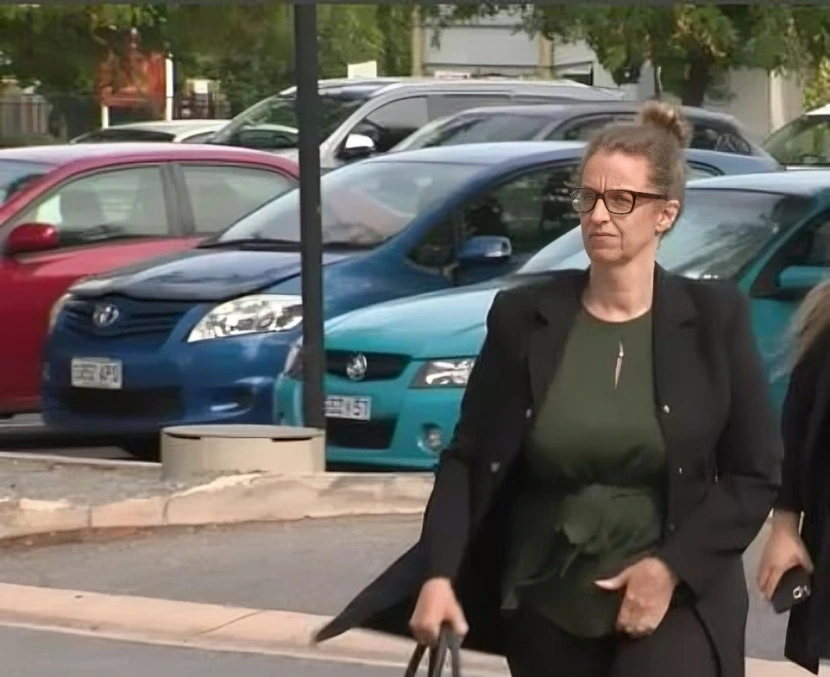
Jenni Wilmott’s name has gained popularity in Australia during a Supreme Court hearing involving the death of her teenage daughter Jasmine. The case has gained a lot of attention around the country since the charges are so serious, including manslaughter and criminal abuse. As the court case progresses many Australians want to know who Jenni Wilmott is, what she’s accused of and why the matter has received so much interest from the public.
This article outlines the known facts, the allegations presented in court, the defence response, and the broader impact of the case on Australian public discussion.
Who is Jenni Wilmott?
Jenni Wilmott a mother from Adelaide South Australia, has been charged with the death of her daughter Jasmine, who died by suicide in October 2018 at the age of 15. At the time, Wilmott was Jasmine’s primary carer.
Jenni Wilmott claims she is not guilty of any of the charges and did not hurt her child. The South Australian Supreme Court is considering her case as a judge-only trial.
The allegations against Jenni Wilmott
Jenni Wilmott is facing many serious claims from the prosecution. Here are some of them:
- Murder
- Criminal neglect
- Attack with a weapon
According to the prosecution Wilmott’s actions and inactions harmed Jasmine’s physical and emotional health ultimately leading to her death.
The defence fiercely opposes these charges claiming that they distort the family’s circumstances and Wilmott’s behaviour as a parent.
Allegations presented in court
During the trial, prosecutors described a long history of neglect and abuse. These accusations constitute the basis for the charges of manslaughter and criminal neglect.
Claims of long-term neglect
According to prosecutors, Jasmine was mistreated for a long time including not receiving adequate food medical treatment, or stable living conditions. Jasmine was severely underweight when she died raising concerns about her lack of sustenance over an extended period of time.
According to witnesses, Jasmine did not always have access to the basic necessities that most Australian teenagers require to feel safe and healthy.
Claims for physical and mental injury
The court has heard that Jasmine was physically and emotionally abused for a long time. Witnesses reported seeing injuries, hearing yelling and observing behaviour that left them concerned for Jasmine’s safety.
People have reported that consequences included excessive physical activity being alone and humiliation. The prosecution claims that these practices caused ongoing fear and emotional distress.
Living conditions and restrictions
The court examined Jasmine’s living circumstances in detail. Prosecutors stated that she was periodically forced to sleep in inappropriate locations such as outside or in non-bedroom areas, depending on the circumstances at the time.
The court heard allegations that Jasmine was punished by being placed in rooms with alarms having her windows shut and being told she couldn’t move. These accusations were presented as evidence of a dangerous and emotionally harmful workplace.
Testimony from neighbours and school contacts
Several individuals who knew Jasmine outside of the family home testified at her trial.
Former neighbours told the court that they heard screaming and sobbing coming from the residence and in at least one case called an abuse reporting hotline because they were concerned. Others claimed they witnessed Jasmine acting in ways that suggested she was terrified to return home.
School witnesses including students, described Jasmine as shy, hesitant and occasionally hurtful. Some testimonials stated that she mentioned being hungry or terrified, which caused people to be concerned about her health.
The prosecution frequently cites these outside views to buttress its argument that the alleged abuse was witnessed by people other than the immediate family.
The defensive response
Jenni Wilmott stated that all of the claims are false. In police interviews exhibited in court she appeared emotional and stated that she loved her child and did not intend to damage her.
The defence claims that:
- The injuries detected on Jasmine have harmless explanations.
- Neglect claims have been exaggerated or misunderstood.
- Wilmott had to make tough decisions as a father.
The defence claims that Wilmott is not responsible for Jasmine’s death and that the prosecution has failed to establish a causal link between her acts and the suicide.
Jasmine’s death and the legal context
Jasmine died by suicide in October 2018. According to the prosecution her living conditions, as well as years of neglect and emotional suffering, had a significant role in her choice to commit suicide.
In Australia, anyone who does or does not do anything that causes the death of another person even if the death is suicide can be charged with manslaughter. This legal basis is critical to the prosecution’s case.
It is up to the court to determine whether the activities in question meet this criterion.
Why this case has resonated across Australia
The Jenni Wilmott case has sparked a lot of discussion because it raises important but unpleasant issues for Australian culture.
Many Australians are thinking about:
- How to identify and address child neglect.
- If any warning signs were missed.
- Communities are responsible for reporting concerns.
- Finding the perfect balance between safeguarding children and empowering parents
The case also demonstrates how difficult it is for authorities to respond to abuse or neglect that occurs behind closed doors.
The court process continues
As the trial progresses the judge considers a wide range of evidence including witness testimony, police interviews and expert opinions. The presiding judge will make the final decision in this judge-only matter.
A decision is expected once all of the submissions have been received and reviewed. If Jenni Wilmott is found guilty, she will not be sentenced immediately. Even if she is found not guilty the case will continue to be widely discussed in Australia.
Final thoughts
The Jenni Wilmott case is one of Australia’s most devastating family-related criminal convictions recently. It combines a deeply personal tragedy with complex legal problems of negligence, liability and causality.
Regardless of what happens in the case it has already altered the way people discuss child protection, community duty and how Australia assists vulnerable young people who may be suffering in silence.