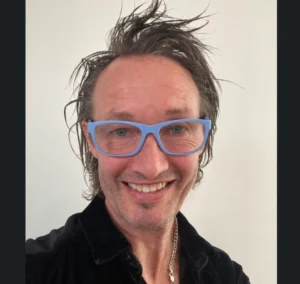



The name James Vlassakis still provokes strong emotions across Australia, even though it has been several years since the crimes that made him famous. He is at the core of one of the most distressing criminal cases in the country since he was involved in the Snowtown murders. Vlassakis’ case has stayed in the news because he had a different legal outcome than other criminals, who got life terms without the chance to get out on parole.
You can’t really understand James Vlassakis if you only think about the crimes he did. You should also consider the judicial decisions, the public reaction and larger problems involving justice and rehabilitation in Australia.
Background to the snowtown murders
Australians were deeply shocked by the brutality of the crimes and by the fact that many of the victims were known to the perpetrators. The crimes gained global attention following the discovery of victims preserved in acid-filled barrels inside an ancient bank vault in Snowtown.
The case’s brutality and the fact that many of the victims were acquaintances of the perpetrators shocked Australians. John Bunting planned the murders, while Robert Wagner, Mark Ray Haydon and James Vlassakis carried them out.
The gravity of the crimes permanently altered public perceptions of serial murder, group violence and manipulation in Australia’s criminal justice system.
Who is James Vlassakis?
James Spyridon Vlassakis was born on 24 December 1979. He was the youngest person in Snowtown to breach the law and was still a teenager at the time of the crimes. John Bunting impacted him while he lived in Adelaide’s northern suburbs.
Later, Vlassakis admitted to killing four individuals, including close family members. His age and Bunting’s strong psychological control over him were significant elements in his punishment.
Vlassakis chose to plead guilty and cooperate with the authorities, unlike his co-offenders.
Role in the crimes and guilty plea
James Vlassakis was actively involved in the Snowtown killings and helped dispose of the bodies. Even though what he did was extremely terrible, his decision to provide specific evidence against the ringleaders had a significant impact on the case’s outcome.
His participation was critical in convicting John Bunting and Robert Wagner. Because they were leaders who refused to accept responsibility, both were condemned to life in jail with no chance of parole.
People believed Vlassakis’ guilty plea influenced the course of the Snowtown murder enquiry.
Sentencing and imprisonment
In 2002, James Vlassakis was sentenced to life in prison with no possibility of parole for 26 years. The punishment considers both the gravity of his offences and the cooperation he provided to the authorities.
This result distinguished him from the other people accused of the same offence and ensured that his case would remain contentious. The prospect of releasing any of the people implicated in the Snowtown massacres disturbed many Australians.
Because of a long-standing order, Vlassakis’ photograph has never been released and most people are still unaware of his identity.
Parole eligibility and national backlash
Vlassakis could be granted parole in 2025 after serving the whole non-parole period. The South Australian Parole Board first stated that he may be released since he had been good and rehabilitated while in custody for a long time.
People reacted immediately to the announcement. The decision to release him angered and disappointed family members of the victims, neighbourhood residents and government authorities. The answer demonstrated how deeply the Snowtown killings still strike Australians emotionally.
The subject of parole was quickly elevated to national prominence due to public pressure.
Parole decision overturned
After the law was enacted, the initial parole decision was reevaluated. In December 2025, the decision to release the individual on parole was changed. Officials determined that the crimes were too serious and the risk to the community was too great to let the individual go.
As a result, James Vlassakis remained in jail. He can still legitimately apply for parole in the future but his path to freedom is now uncertain and under close scrutiny.
The reversal demonstrated how unique and significant parole decisions are in cases of serious violence.
Why the james vlassakis case still matters?
The James Vlassakis case is still relevant because it helps people in Australia think about difficult issues. These include how the legal system should deal with young people who were persuaded to commit crimes, how collaboration should affect sentences and if rehabilitation can ever compensate for the gravity of some crimes.
The Snowtown murders represent a line that many people believe should never be crossed. Some argue that the law should always be implemented in the same manner, even in the most difficult cases.
This ongoing debate is why James Vlassakis remains such a divisive figure.
Cultural impact of the snowtown murders
The killings in Snowtown have become part of Australian true crime culture. The case inspired films, documentaries, and academic research, keeping it in the public eye as a topic of criminal psychology and group violence.
People frequently use James Vlassakis as an illustration of how persuasion and ideology can cause young people to behave in extremely harmful ways while yet holding them accountable for their actions.
Conclusion
The Snowtown crimes and the greater Australian debate on justice, retaliation and rehabilitation are intrinsically linked to James Vlassakis’ story. People will continue to look for, discuss and argue over his name because he was involved in one of the country’s most serious criminal cases.
The case is a compelling illustration of how violent crime impacts victims, their families and the entire Australian community for a long period after the crimes occurred.