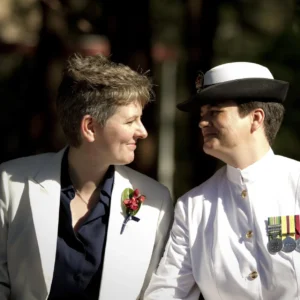




Amelia Berczelly, a former executive, came to national attention in Australia after speaking out about serious issues she identified at her workplace, one of the country’s leading retail companies. Her case highlighted whistleblower protections, workplace culture and corporate accountability on a national level. Her story prompted issues about workplace fairness and what other Australians may expect when senior employees speak out.
This article looks at who Amelia Berczelly was, what happened to her and why it is important now.
Amelia Berczelly’s professional background
Amelia Berczelly was senior legal executive and corporate secretary of Super Retail Group. The company is a leading Australian retailer, with popular brands like Supercheap Auto, Rebel Sport, and BCF.
She was responsible for governance issues and for making sure the company was meeting all its legal and regulatory duties. This was a senior role with ties to executive leadership and board activities. She had to observe appropriate business standards and be honest about the company’s policies in the workplace.
Because of her senior role, her concerns attracted significant attention within the organisation.
The concerns raised internally
Amelia and a colleague voiced internal concerns about basic leadership and workplace conduct issues. There was a lack of information or things weren’t handled appropriately at the top level, they thought.
Issues involving corporate governance and workplace culture are rarely discussed publicly at senior management level within major Australian companies. Raising such concerns can involve significant professional risk and requires a high degree of trust in internal systems.
The organisation not only resolved these challenges but also identified and escalated them.
Escalation to legal action
Eventually the problem became a legal issue, with Amelia and her colleague taking their case to the Federal Court of Australia.
They alleged they experienced, intimidation and unfair treatment after raising concerns. The allegations were of victimisation and bullying in the workplace. The charges attracted huge media and public interest throughout Australia.
This lawsuit was not just about internal employment. It has triggered a wider debate on how big businesses treat whistleblowers and whether protections are enough in practice.
Public attention and corporate governance questions
The case developed with signals of discord over the revelation of a relationship involving top-level officials. The company was questioned on transparency and governance norms.
For many Australians the tragedy was a reminder of long-standing problems with power in the workplace and executive responsibility. The participation and remarks of senior professionals in the legal battle are a direct indication of the intricacy of the corporate culture.
The news has spread beyond the legal community. That was part of a wider discourse around fairness in Australian work.
The settlement
The matter was settled without a full trial. Instead, after some 18 months of judicial action, the issue was settled confidentially.
The settlement was confidential, and the entire terms were not disclosed. No taking accountability. But the ruling ended what had been a high-profile corporate tussle.
Why Amelia Berczelly’s case matters
Amelia Berczelly’s case remains significant because it reflects broader issues within Australian corporate culture.
Her lawsuit cited many key issues:
- The need for strong whistleblower protections
- The significance of corporate governance transparency
- The risks danger experts take in speaking up
- The role of legal systems in industrial conflict resolution
For Australian readers, the case represented more than an internal dispute within a single company. It demonstrated how workplace culture and accountability can affect employees at every level of an organisation.
It also showed how challenging situations can become when internal systems are perceived as inadequate in addressing serious concerns.
Wider lessons for Australian workplaces
The case prompted companies across Australia to review their reporting processes. The case warned businesses to address concerns in a professional, fair, and fearless manner.
It also suggested that there are reasons for governance systems. Transparency and proper disclosure help protect employees, shareholders and the broader public.
Conclusion
The Amelia Berczelly case remains relevant to ongoing discussions about workplace justice and corporate accountability in Australia. The lawsuit ended in a settlement, but the larger questions it raised are still very much alive.
Her case highlighted the handling of whistleblowers, as well as governance principles and organizational culture. For many Australians it was a warning that speaking out may be dangerous. At the same time it may also force needed talks about accountability fairness and ethical leadership.