


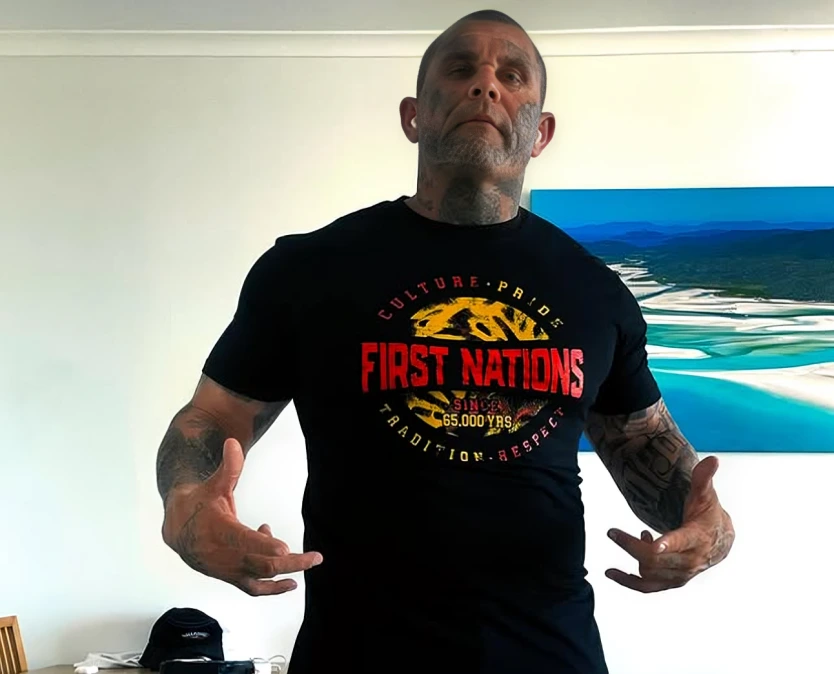
Shannon Althouse was a member of the Rebels motorcycle gang and her life story has garnered a lot of interest in Australia. Shannon Althouse used to be actively involved in the culture of outlaw motorcycle gangs, crime and drug use. After rebuilding his life, he now dedicates himself to mentoring and bringing about significant changes. His transformation exemplifies both the dangers of gang life and the power of redemption for many Australians who read true crime stories and witness people change their lives.
There is more to his story than his criminal record. It also has to do with trauma, poor choices, time in prison and finally deciding to take a different path. Learning about Shannon Althouse’s background will help you understand how someone can transition from drugs and violence to assisting young people and volunteering in their communities.
Early life and search for belonging
Shannon Althouse was raised in remote parts of the Northern Territory and South Australia. He had many troubles, trauma and a lack of good guidance when he was younger, as do many other young boys who subsequently join bikie gangs.
As a teenager, he was concerned with strength, dedication and identity. Outlaw motorcycle organisations emphasise these characteristics. Some young Australians who are at risk may consider these clubs a safe haven, a family and a reason to live. Althouse subsequently became affiliated with the Rebels Motorcycle Club, one of the most well-known illegal motorcycle gangs in the country.
The Rebels have long been associated with organised crime, including drug dealing and violent battles. To be a member, you typically must be entirely loyal and participating in club business.
Rising within the Rebels bikie club
Shannon Althouse later serve as the Rebels’ serjeant-at-arms. The serjeant-at-arms is responsible for keeping the club secure, enforcing the rules and maintaining order inside. It places a member in a perilous environment where there is conflict and crime.
During this time, Althouse engaged in a lot of meth use. Ice has injured numerous individuals in Australia, particularly in rural and remote areas. Drug addiction frequently results in violence, psychosis and impulsive behaviour. In Althouse’s case, it increased his participation in dangerous and criminal acts.
Gang loyalty, ready access to firearms and drug addiction made the region extremely dangerous. Serious legal complications were inevitable.
Criminal charges and court proceedings
Shannon Althouse was charged in 2015 with possessing methylamphetamine and MDMA. Despite being released on bail at the time, his legal difficulties did not end there.
In 2016, he and another Rebel member were charged with a violent attack in Palmerston, Northern Territory. There were weapons used in the incident, including machetes and axes. The attack injured many people, including one who was not supposed to be hurt.
Althouse later pleaded guilty to several charges, including recklessly endangering people. Finally, he received a lengthy prison sentence of more than a decade. For many others, his imprisonment was the end of a life built on being in a gang and having a good reputation on the street.
The penalty placed him in a new environment with different power structures, forcing him to reflect on what he had done.
Prison as a turning point
For some offenders, jail reinforces their criminal reputation. Shannon Althouse’s life underwent a permanent transformation. While in jail, he discovered new ways of thinking, such as mindfulness and philosophical exploration.
He is claimed to have begun assisting other inmates, particularly those who were having difficulty reading or completing our legal documents. Many young boys in Australian jails arrive without a strong education or support network. Althouse began to see value in things other than violence and power when he assisted others.
This alteration did not erase his history. But it instilled in them a new sense of duty. Instead of forcing gang members to follow rules, he began teaching them how to prevent bad behaviour. That transformation within him laid the groundwork for what would happen when he exited.
Life after release and community involvement
Shannon Althouse returned to the community with a fresh perspective after serving his sentence in jail. He did not return to the biker lifestyle; instead, he focused on mentoring and engaging young people.
He has worked on community programmes such as boxing and mentoring youth, particularly in the Northern Territory. In Australia, people frequently employ boxing programmes to teach discipline, respect and problem-solving skills. Structured sports can benefit young people who are at risk of delinquency or drug use by providing guidance and positive role models.
Althouse’s lived experience makes him trustworthy to troubled teenagers. He discusses gang life, drugs and prison from his personal experience. This level of authenticity can have greater influence than recognised authority figures.
He has attempted to educate young Australians about what happens when they commit a crime or use drugs. This message is critical in areas where ice addiction and juvenile crime are major issues.
The broader issues behind the story
Shannon Althouse’s tour raises numerous issues that are currently relevant in Australia.
- It demonstrates how childhood trauma and instability can influence the decisions we make in life. Without aid, vulnerable young people may seek acceptance in harmful places.
- It illustrates how methamphetamine continues to harm communities across Australia. Ice has been linked to violent crime, destroyed families and chronic health issues. Combating addiction remains a national issue.
- His experience gets us thinking about rehabilitation. Persons often discuss punishment in public debates, yet successful reintegration reduces the number of persons who commit crimes again, benefiting the entire community. When ex-offenders do good, it helps people reconsider the notion that they will always be criminals.
- It demonstrates the importance of having life experience when mentoring. People who have been through difficult experiences can connect with at-risk youth in ways that others cannot.
Public perception and media attention
Shannon Althouse’s story captivates people with its blend of outlaw culture, brutal crime and redemption. Australians have always been fascinated by biker gangs, partly due to their portrayal in movies and television.
However, the reality behind that image is frequently harsh and damaging. By candidly discussing the consequences of gang activity, althouse offers a different perspective on gang life compared to the commonly depicted television portrayal.
While his shift towards mentorship may not convince everyone, it serves as evidence of his personal growth. Many Australians value the idea of being able to start over after making major blunders.
Conclusion
Shannon Althouse, a former member of the Rebels who was actively involved in gang culture and violent crime has transformed his life by reflecting on it and becoming more involved in his community. His story depicts the negative aspects of illegal motorcycle organisations and how drug addiction can wreck lives.
It also demonstrates that change can occur simultaneously. His narrative provides both caution and hope to Australians concerned about juvenile delinquency, addiction and rehabilitation. It reminds us that, while the consequences are essential so are measures to improve things to make communities safer.