


The death of Charlie Nowland shocked Australians and sparked widespread public discussion about child neglect parental responsibility and the protection of vulnerable children. Her case a tragic example of neglect became a focus point in South Australia, compelling the country to explore how such tragedies could go unnoticed for so long.
Charlie’s story extends beyond the boundaries of a single household. It highlights systemic failure missed warning signs and society’s responsibilities to protect vulnerable children.
Who was Charlie Nowland?
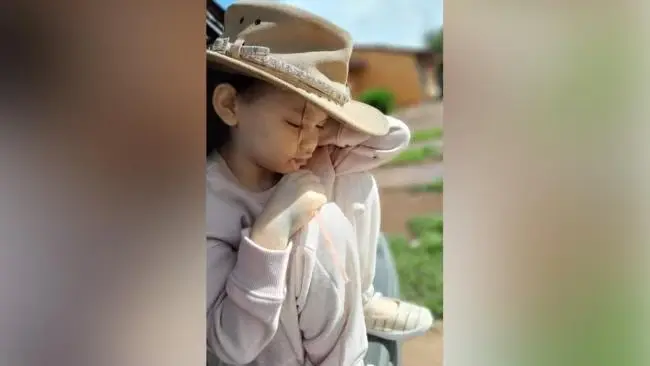
Charlie Nowland was six years old and lived with her family in Munno Para, a suburb in Adelaide’s north. While most children her age were learning and enjoying school, Charlie was being severely neglected at home.
She lived with her mother and siblings while her father was serving time somewhere for another reason. Despite being surrounded by people, Charlie’s most basic needs went unmet in the months leading up to her death.
The circumstances that led to her death
Charlie was found unresponsive at home on 15 July 2022 and was taken to the hospital, where she later died. Medical examinations confirmed that her death was caused by heart failure as a result of acute malnutrition and iron deficiency.
Court testimony eventually revealed that Charlie’s medical condition had been deteriorating for weeks. She was considerably underweight for her age, had obvious oedema in her legs and had trouble walking.
Her hygiene was also reported as terrible with apparent grime and lice.
Despite these alarming indicators she did not receive the necessary medical attention before dying.
Failure to seek medical help
The most alarming aspect of this case was Charlie’s continuous failure to receive medical care. Phone calls from prison revealed that her mother was directly asked whether Charlie had seen a doctor. The mother claimed she had, even though the accusation was false.
In these calls Charlie’s deteriorating condition was treated dismissively and jokingly rather than with the seriousness and concern it required. The court was told that opportunities to intervene were missed and that timely medical treatment could have saved her life.
Legal actions and accusations ensued
Following an enquiry Charlie’s mother pleaded guilty to three counts of criminal neglect. Manslaughter allegations were later dismissed as part of a plea agreement. The court considered a multitude of evidence including recorded phone calls and expert medical views, to explain Charlie’s mistreatment.
The Supreme Court of South Australia was advised that Charlie’s death was fully avoidable and that her suffering occurred over time rather than as a sudden medical crisis.
When the proceedings began the sentence had not been handed down.
Impact on Charlie’s siblings
Perhaps the most heartbreaking component of the court’s work was the victim impact statements given by Charlie’s siblings and sisters. These statements painted a picture of a household where children were often forced to take on caregiving roles beyond their years.
The statements revealed the long-lasting emotional scars: emotions of desertion and intense sorrow over the loss of a sister who had relied on them for safety. These testimonies highlighted a harsh truth: neglect rarely hurts a single child; it frequently devastates whole families.
Professional Witnesses and First Responders
Emergency service professionals, police officers and medical personnel who were on the site also provided comments. They described Charlie’s state as shocking and deeply unpleasant.
Healthcare workers described the attempts to save her and the emotional toll of caring for a youngster whose misery may have been avoided. Several people regarded the encounter as something that will stay with them indefinitely.
Public reaction throughout Australia
News about Charlie Nowland’s death caused considerable public outrage and sorrow. Many Australians saw the case as one of the most tragic examples of child mistreatment they had ever witnessed.
Charlie’s tale inspired community organisations, child protection advocates and ordinary Australians to campaign for stronger intervention systems and better support for vulnerable families. The slogan “Charlie deserved better” gained traction on social media and in public conversation.
What Charlie Nowland’s case revealed
Charlie Nowland’s untimely death revealed frightening truths about the unnoticed nature of neglect especially in affluent communities. Unlike cases of physical abuse neglect often progresses slowly potentially going unreported until the condition becomes catastrophic.
Her case highlighted numerous key points:
- Severe neglect can be as fatal as physical violence.
- Children are completely reliant on adults to identify and respond to health emergencies.
- False reassurances can prevent timely life-saving treatments.
- Siblings frequently suffer silently in circumstances of neglect.
Lessons for child protection in Australia
Charlie Nowland’s experience has become a key reference point in talks on child welfare reform.
The importance of early detection of warning indicators and rapid aid to families in crisis was emphasised.
Furthermore, the need of community awareness was highlighted. Teachers, neighbours extended family members and healthcare experts all help to identify potential threats to children.
Conclusion
Charlie died. Nowland is a deeply traumatic incident in Australia’s child protection history. Her suffering was avoidable and this fact continues to cause worry among many Australians.
While judicial proceedings address accountability, Charlie’s lasting impact is seen in the ongoing discussions her case has sparked. Remembering her story reminds us that vigilance compassion and early intervention can save lives.