



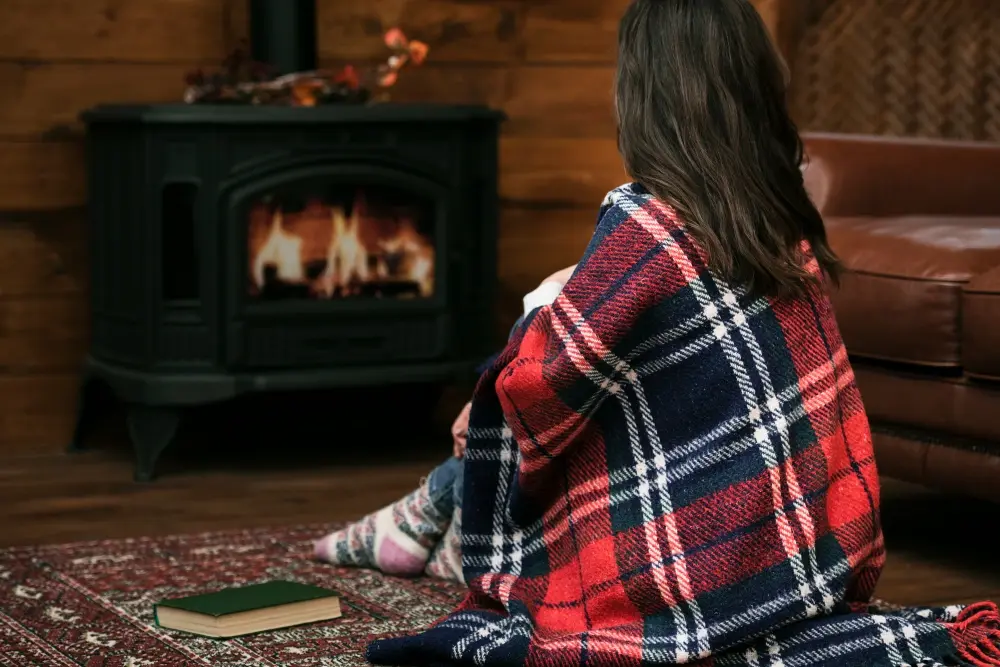
The first quarter of 2026 has flown by, and with Winter fast approaching, we need to start preparing our surroundings so that we can stay safe and warm, no matter how much the temperatures may plummet. What better place to start than our homes?
While many homes feel warm inside, they might be quietly leaking heat, and with rising energy costs, among other things, no one needs to feel the added pressure of paying more than necessary. If you’ve ever felt a cold breeze near your front door or if your heater is working overtime but your home still feels cold, your home might need attention. Perhaps it’s time for an in-depth home audit.
Sealing your home
A good place to start with the process of ensuring that your home is warm and toasty this winter is to inspect all the nooks and crannies. Identifying and eliminating any small cracks and openings around doors, windows, floorboards and ceilings will ensure that warm air is kept inside while cold draughts cannot sneak in from unnoticed gaps.
A sealed home is all about controlling where air can and can’t move, rather than making your home completely airtight. Sudden temperature swings can put extra pressure on heating systems. In effect, heating an unsealed home is like trying to fill water into a bucket with holes. The more warmth you pump in, the more you lose, making proper sealing one of the simplest and most effective ways to improve comfort and ultimately reduce energy costs.
Insulation and draught proofing
While insulation and draught proofing play a critical role in keeping homes warm, they do not do all the heavy lifting. Contrary to popular belief, even a well-insulated house can lose up to 25% of its heat if it isn’t properly sealed. Warm air can leak out just as quickly as it’s generated. This is especially important in cities that experience what we commonly refer to as four seasons in one day due to the rapid change in temperatures.
While ceiling and wall insulation slow down heat transfer, their effectiveness depends heavily on the quality and condition that they are in. Many older properties either lack enough insulation or are built with materials that have degraded over time, leaving them far less efficient than homeowners realise. Even in newer builds, gaps, compression, or poor installation can significantly reduce performance.
Once your insulation checklist has been ticked off, the next natural step would be to move on to draught-proofing your home. To do this, it is worth assessing common overlooked areas such as door frames, window seals, skirting boards, and exhaust fans to ensure that there is no cold air creeping in. The best time to check for draughts using these tips would be at night when temperatures drop.
Remember to check overlooked areas
One of the most understated sources of heat loss in our homes is our garages. In many properties, garages are directly attached to the house and share at least one internal wall or access point. Yet unlike the rest of the home, they are rarely insulated to the same standard, if at all. With cold concrete floors, uninsulated walls, and thin metal garage doors, these spaces are essentially large cold chambers during winter.
The problem is that this cold air doesn’t stay contained. It seeps through internal doors, wall cavities, and even shared ceilings, slowly lowering the temperature of attached living areas. This forces heating systems to work harder to maintain a comfortable indoor temperature, resulting in increased energy use and costs.
A practical solution is to treat the garage as part of your home’s thermal boundary. By installing insulated garage doors, Melbourne homeowners (and homeowners in other cities) are noticing huge differences in how these areas feel. Insulated doors help stabilise the temperature inside the garage, effectively creating a buffer zone between the outdoors and living spaces. By reducing the flow of cold air into the home, they support overall thermal efficiency and help maintain a more consistent indoor climate throughout winter.
Small fixes result in big savings
Improving your home’s thermal efficiency doesn’t always require major renovations. It’s often the smaller, underrated fixes that present the most noticeable results. Sealing draughts, upgrading insulation where needed, and addressing overlooked areas like the garage can collectively make a big impact on how our homes perform in winter.
When these elements work together, the benefits quickly add up. Indoor temperatures become more stable, heating systems don’t need to run as often, and the price of energy bills can be lower without having to sacrifice comfort. Simple improvements to a home’s thermal performance can result in meaningful savings over time, particularly during colder months when energy usage is at its highest.
As winter approaches, it’s worth remembering that a warm home isn’t just about how much you heat it, but how well it holds heat. From sealing hidden draughts to ensuring insulation is performing as it should, and even rethinking spaces like the garage, small improvements can make a big difference to both comfort and energy use in the long run.