



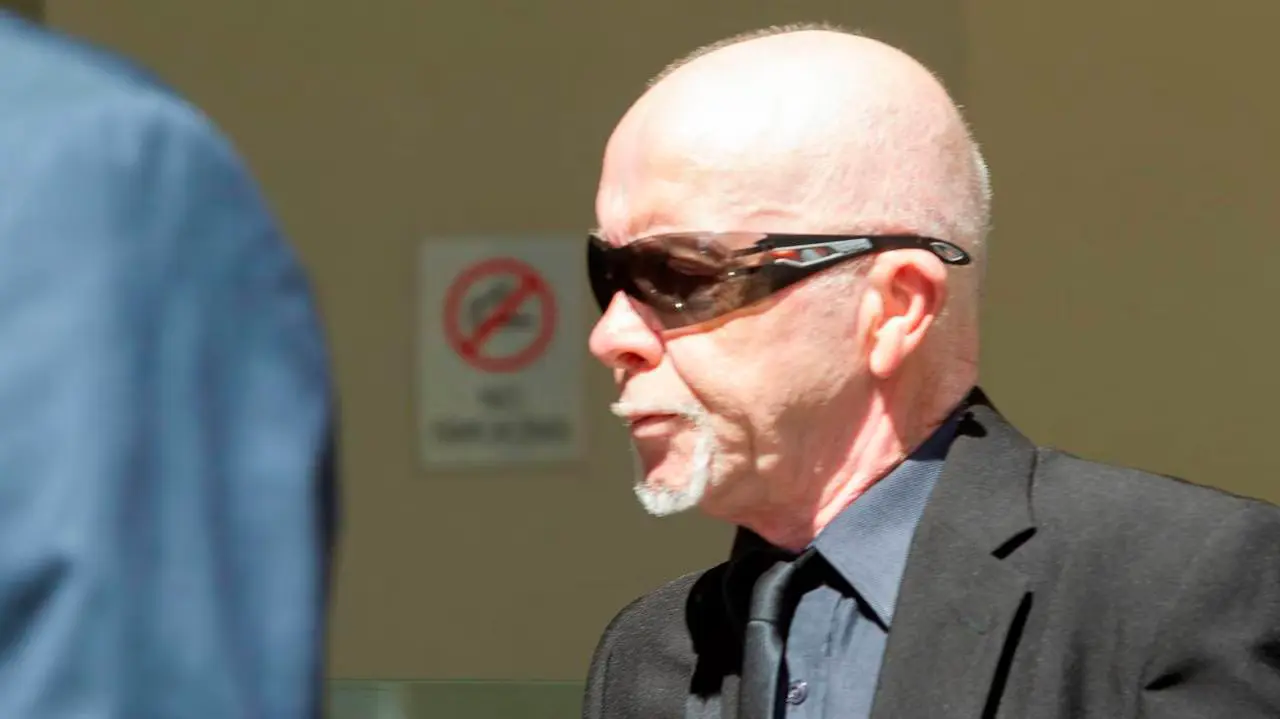
Graham Milne is a prospector from Western Australia. His name became well-known in Australia after he was linked to the abduction and alleged murder of Raymond and Jennie Kehlet in 2015. He isn’t a public figure in the traditional sense, but he is at the core of one of WA’s most enigmatic cold cases.
Milne was the last person who saw the Kehlets alive. They were on a gold mining adventure in Sandstone, which is around 700 miles north-east of Perth. As the only survivor of the trip, his name has been in the press and in coroner’s procedures for years.
The Sandstone quest to get gold
Ray and Jennie Kehlet accompanied Graham Milne on a remote camping trip in March 2015. People frequently refer to it as Bell’s Camp. The three of them planned to spend their time hunting for gold in Western Australia’s rugged outback.
Milne later informed the police that he last saw the couple alive after breakfast on March 21. He claimed that the Kehlets rode away on quad bikes to look for their dog while he remained behind. He claimed he spent a long time looking for gold by himself before returning to camp in the early morning. The next day, he left the camp without waking anyone up.
People were alarmed when the Kehlets did not return home. Later, their dog wandered into Sandstone Caravan Park resulting in a massive hunt.
Discovery and coronial findings
Ray Kehlet’s body was discovered at the bottom of an abandoned mineshaft about 1.5 kilometres from the campsite on 8 April 2015. Jennie Kehlet has never been found, despite numerous searches.
A coroner’s inquest investigated the circumstances surrounding Ray’s death and Jennie’s disappearance. The coroner said that Ray Kehlet’s death was consistent with violent conditions but he could not tell for certain what caused it or what came before it. We’re still not sure what will happen to Jennie.
Milne’s evidence at the inquest
Graham Milne had to give evidence at the inquest. He initially refused to testify but eventually did and described how he walked around and interacted with the Kehlets during the trip.
He said he had nothing to do with their deaths and disappearances. During the trial he received a certificate of indemnity, which said that his testimony could not be used against him in future criminal prosecutions. Milne has never been charged with anything in connection with the case which is pretty significant.
However, aspects of his timeline and allegations were thoroughly examined and some contradictions drew the public’s attention.
Ongoing investigation and public concern
In Western Australia, the Kehlet case remains a cold case. Over the years officials have revisited evidence and followed up on new leads such as items discovered near the original search locations.
Many Australians, particularly those who have journeyed to the bush in search of gold, are still deeply disturbed by the case. The vast WA countryside Ray’s death in a mineshaft and the mystery of Jennie’s disappearance all raise doubts.
Why is Graham Milne still important?
Graham Milne remains linked to the case since he was the last person known to have seen the Kehlets alive. He has not been proven guilty or even charged with a crime but his presence at the campground and his testimony have placed him at the centre of one of Australia’s most intriguing outback mysteries.
His name will most likely be associated with the unexplained disappearance of Ray and Jennie Kehlet, a case that remains significant in Western Australia’s cold case history.
Conclusion
One of Western Australia’s most perplexing outback cases will always be connected with Graham Milne’s name. He is still legally innocent and has not been charged but he remains of interest to the public because he was the last person to see Ray and Jennie Kehlet alive.
The events of 2015 near Sandstone remind us of how risky it may be to travel to remote locations and how incomplete investigations can still have consequences. As cold case detectives continue to probe Australians want to get the full truth about what happened in the WA desert.