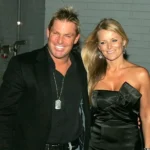


Paul Virgona was a devoted husband, loving father and small business owner who lived in Croydon, a quiet suburb in Melbourne. He was well-known in his town as a hardworking fruiterer who began most days before sunrise to supply fresh produce to his customers. Paul exemplified quiet devotion; he didn’t seek the spotlight but his persistent kindness earned him the respect of everyone around him.
Paul was a beloved member of his family and friends as well as a well-known figure in his neighbourhood. He led a life characterised by routine, integrity and family values, attributes that many Australians shared on a daily basis.
A normal day turned into a national headline
On the morning of 9 November 2019, Paul left for work before sunrise, just as he always had. Driving on the EastLink expressway near the Mullum Mullum tunnel, he was unexpectedly assaulted and shot many times while still in his van. Despite sustaining eleven gunshots his vehicle continued to move for some time before colliding with a barrier and coming to a halt.
When emergency services arrived, they discovered Paul still in the driver’s seat, his phone lighted on and the engine running – but it was too late.
The news that followed shook not only the Melbourne community but also people all around Australia: Paul Virgona had been slain in a planned ambush but he was not the target. His death was the result of mistaken identity, as he was the victim of a fruitless criminal quarrel.
An innocent man with no criminal links
From the start, police investigations proved what many who knew Paul already knew: he had no connections to outlaw motorcycle gangs no criminal background and no reason to be targeted.
He was simply a normal man going about his daily work: a kind parent, a present husband and a neighbour who tried to make things better. The news that he’d been shot the result of someone else’s carelessness, broke his family and sent shockwaves across a country already concerned about gangs and safety.
The killers: who were they and what happened?
In August 2023, over four years after Paul’s death two individuals were condemned for his murder.
- Aaron Yokran Ong
- Joshua Rider
Both were found guilty in the Supreme Court of Victoria of their roles in the crime. The court heard that the men drove a stolen Mercedes-Benz, followed Paul’s van for over an hour and then opened fire on the motorway in a calculated and brazen act of violence witnessed by other motorists.
Justice Christopher Beale described the crime as “cold-blooded” highlighting the thorough planning that went into getting untraceable phones, arranging a getaway vehicle and carrying out the ambush. Rider received a 21-year non-parole period, while Ong was sentenced to a minimum of 24 years.
The lack of a clear motivation continues to perplex the public and cause pain for Paul’s family. The men have never revealed who they thought they were targeting or why. Paul’s family is facing the potential that the motives for the attack will never be discovered.
A family left behind: “He was everything to us”
Paul’s widow, Antonietta and their children have spoken openly about their grief over his death. Their grief isn’t just over Paul’s terrible death; it’s about the future that was snatched away:
- A father who will miss his children’s important milestones, graduations and weddings.
- A husband who will never share another meal, birthday or special occasion.
- A man with so much life to live was taken for no apparent cause.
Antonietta has spoken of the sadness that followed the event. Her family’s world, their daily life and all of their future hopes were upended in a single moment. Her children, then teenagers lost a father who was also their closest confidant and guiding light.
For countless Australians, particularly those with comparable responsibilities the news was a sharp reminder that calamity may strike anyone, anytime, even while merely travelling to work.
Public reaction and national impact
The shocking nature of Paul’s death prompted widespread media attention, community mourning and renewed debate about gang violence and public safety.
Australians responded with grief and fury. How could a man so gentle with no criminal record, be the victim of such a terrible public shooting? How could such a fatal mistake be made?
The fact that Paul died for no apparent reason with no justice served to those who murdered him, left a long-lasting impression on the public.
The justice system’s response
While the verdicts and sentencing provided some closure Paul’s family continues to be concerned about the lack of a clear motive for the killing.
In his sentencing speech, Justice Beale noted unequivocally that this case involved one of the most senseless acts of violence ever witnessed in court. Rider and Ong’s calculated and vicious actions added to the cruelty of the killing.
Though the individuals involved are now imprisoned, the underlying reality remains: Paul Virgona’s death was unexplained and the reasons for it are unknown.
Why Paul’s story matters
Paul Virgona’s tragedy goes beyond headlines and criminal proceedings; it exemplifies how ordinary Australians can become caught in the crossfire of other people’s battles. His narrative resonates for several reasons:
- He was a recognisable figure: a father, a labourer, a man merely trying to provide.
- He embodied Australian characteristics: such as integrity diligence and family commitment.
- He reminds us that public safety matters: His story became part of a broader push for tougher crime policies and greater focus on preventing gang violence.
Conclusion
Although Paul Virgona did not actively seek public recognition during his life his death turned him into a powerful symbol of loss injustice and the fundamental vulnerability of everyday life. His narrative has left a significant legacy that affects not only his family but also communities across Melbourne and Australia. While the tragedy cannot be changed we can honour Paul’s memory by recognising his genuine character—a compassionate committed and hardworking guy who deserved far more.
May his narrative continue to remind us of the fundamental value of ordinary lives and the importance of rejecting the violence that threatens them.