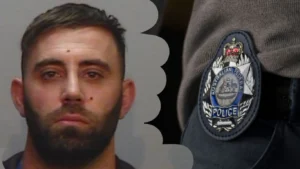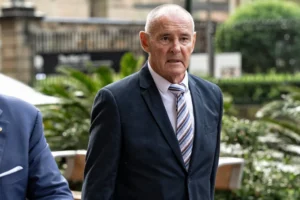

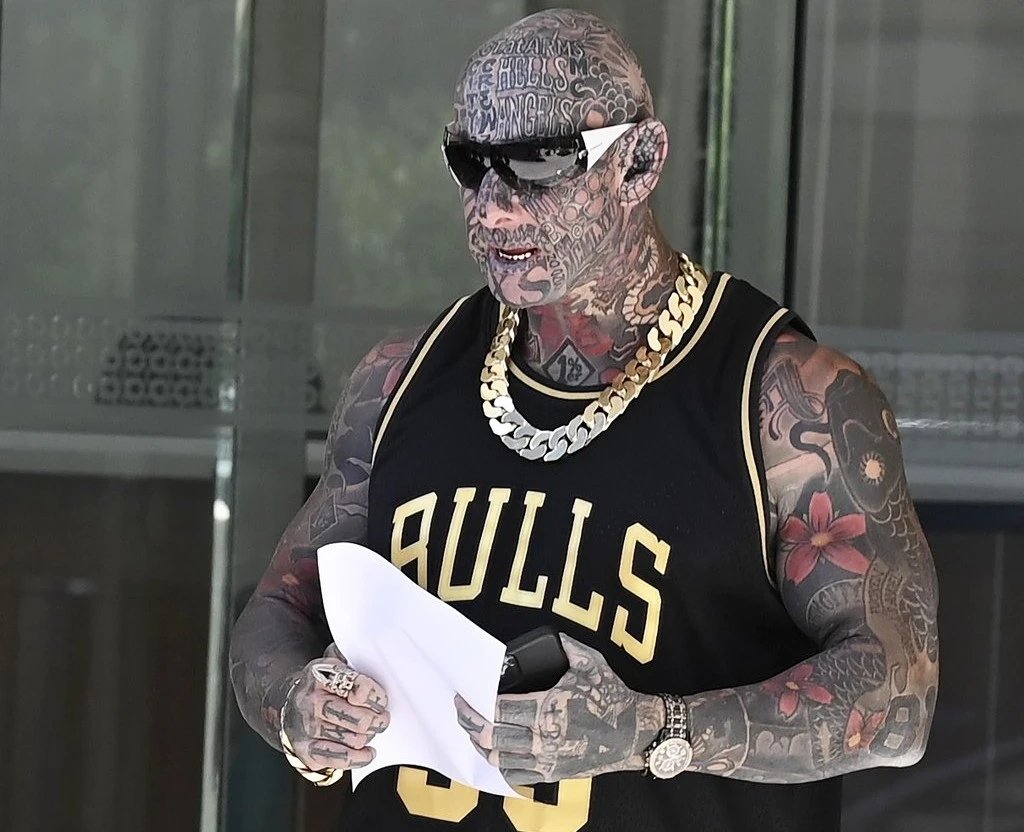
If you’ve followed Western Australian crime coverage over the past few years, there’s a strong chance you’ve come across the name Dayne Brajkovich. He’s widely reported as a high-profile Perth bikie figure, known for distinctive facial tattoos and repeated appearances in news stories connected to court matters, outlaw motorcycle gang activity and high-visibility incidents in public places.
This article summarises what has been reported by mainstream outlets about Brajkovich, why his name keeps surfacing in WA headlines and how his story intersects with broader themes.
Who is Dayne Brajkovich?
Dayne Brajkovich is a Western Australian man frequently described in Australian media as a former senior figure within the Hells Angels in Perth, specifically reported as a serjeant-at-arms, a role commonly associated with “enforcer” duties in outlaw motorcycle clubs.
He is also widely recognised due to extensive tattoos, including facial tattoos, which have been repeatedly referenced in reporting around court appearances and policing attention.
Dayne Brajkovich’s rise to public attention
In Australia, certain underworld personalities become “headline regulars” because their names appear in numerous newsworthy strands at the same time: court processes, public occurrences captured on CCTV, gang dynamics and policing methods. In Brajkovich’s case, several moments have driven national and WA-focused attention:
- A widely reported public fight at Scarborough’s Sandbar involved former Rebels figure Nick Martin.
- His appearance on the ABC’s Four Corners reporting on the Perth Mint and anti-money laundering expectations.
- A stabbing incident outside a Kings Park event that became a major policing story in Perth.
Together, these incidents created a public profile that extends beyond WA because they touch on issues Australians discuss, such as nationally organised crime visibility, the role of hate symbol laws and how public spaces are kept safe.
The Perth Mint story and why it became national news
In 2023, ABC’s Four Corners reporting on the Perth Mint’s compliance with anti-money laundering obligations included Brajkovich as an example of a “high-risk customer” who, according to the report, purchased about $27,000 worth of gold. ABC’s reporting also quoted an expert describing him as a “red flag” in this context, while noting they were not suggesting the funds were sourced from illegal activity.
For Australian audiences, this explains why the story gained national attention. It was not about sensational crime coverage, but rather a case study in how institutions manage risk, meet federal compliance expectations and protect the integrity of financial systems.
The Kings Park stabbing incident
In December 2023, PerthNow reported Brajkovich was stabbed in the neck outside a Kings Park event, describing it as an incident that unfolded as large crowds were leaving. The report included police confirmation of a knife attack and medical response details.
This incident drew attention for a very “Australian” reason: Kings Park is a major public venue and the idea of serious violence occurring as thousands of people head home is unsettling regardless of who the victim is. It also reinforced how quickly underworld disputes can spill into everyday public life.
Hate symbol laws and the 2025 court outcome
In November 2025, ABC reported that Brajkovich was fined after admitting to tattooing a swastika on his chin. Hence, it no longer met the definition of a banned symbol under WA law. ABC also reported that he pleaded guilty to multiple offences and received fines for each.
In October 2025, 9News covered the same issue, noting that the hate symbol laws were introduced after the tattoo was originally applied. The report cited the WA Police Commissioner to clarify how the legislation operates and where its legal boundaries sit.
Reported gang affiliations and shifting alliances
Australian outlets have repeatedly described Brajkovich as an ex–Hells Angels figure and some reporting has discussed suggestions of shifting associations with other outlaw motorcycle gangs.
- 9News reported he was an “ex-Hells Angel” and that his outfit’s leaving Perth Magistrates Court “hinted” at defection to the Mongols.
- PerthNow reported the “defection” was significant and stated he was kicked out of the Hells Angels in 2023 following a fight with the gang’s president.
Because gang politics is often opaque to the public, the best approach as readers is to stick to what’s been clearly reported and avoid treating speculation as fact.
Why are his tattoos getting mentioned?
It can feel strange how often the media mentions appearance but in Brajkovich’s case, the tattoos are part of why he is “instantly recognisable” and why his court appearances generate photos and coverage. That visibility also intersects with policing and legislation in WA, particularly where laws relate to symbols, insignia, and display in public. Tattoos have been central to how his public identity has been constructed in Australian news reporting, whether you agree with the coverage or not.
Conclusion
Names like Dayne Brajkovich are well-known in Australia not because of the public’s obsession with crime but because the cases and incidents surrounding them address genuine community concerns about public safety, police response to organised crime and the boundaries of hate symbols and public behaviour.
If you’re writing, researching or simply trying to understand why his name appears so often in Australian headlines, the key is to rely on credible court reporting and established outlets and keep the focus on verifiable facts over rumours.